Key points
- Lenovo's ThinkPlus FU100 drive contained an unencrypted SD card despite marketing claims of AES-256 encryption.
- An AI follow-up identified hardcoded keys and backdoor accounts in other supposedly secure USB storage products.
- Lenovo issued high-severity fixes requiring users to wipe data and return devices for firmware upgrades or replacement.
The open questions
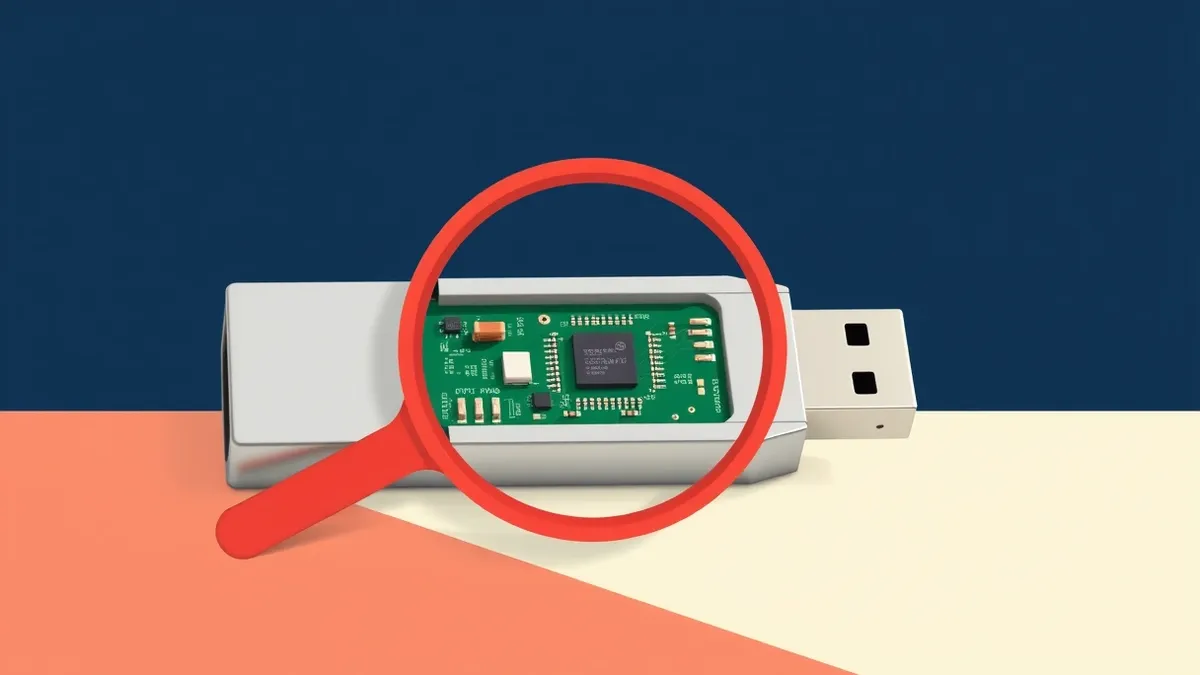
Security researcher Xusheng Li stated that the Lenovo ThinkPlus FU100 fingerprint drive was merely an unencrypted SD card in a decorative case, according to the published report The fingerprint sensor only enabled the USB connection, leaving data unencrypted.reported An AI-assisted follow-up last week discovered fixed keys in other secure USB products and backdoor accounts on another maker’s drive, Li reported.reportedThe Lenovo ThinkPlus FU100 fingerprint drive was marketed as encrypted but actually stored data on an unencrypted SD card.The ThinkPlus FU100’s fingerprint sensor merely enabled USB connectivity, leaving the internal SD card unencrypted. This suggests that hardware security claims may rely on marketing rather than technical implementation, as Li noted in a March talk.
Evidence: reported
Lenovo's 'encrypted' fingerprint USB drive is just an unencrypted SD card in a fancy case — AI-assisted follow-up finds a backdoor and hardcoded keys in other ‘secure’ USB productsaifleet-tomshardware
Evidence: reported
Lenovo's 'encrypted' fingerprint USB drive is just an unencrypted SD card in a fancy case — AI-assisted follow-up finds a backdoor and hardcoded keys in other ‘secure’ USB productsaifleet-tomshardware
How we got here
Li’s original analysis of the ThinkPlus FU100 occurred last year, revealing that physical access allowed trivial data extraction.reported Lenovo later released fixes early this year for the FU100, FU200, TU800 drives and the TSD303 SSD.reported These updates required owners to call a China service line, back up data, wipe the drive and either send it in for replacement or receive an on-site firmware upgrade. Lenovo rated the advisory’s severity as high.
Evidence: reported
Lenovo's 'encrypted' fingerprint USB drive is just an unencrypted SD card in a fancy case — AI-assisted follow-up finds a backdoor and hardcoded keys in other ‘secure’ USB productsaifleet-tomshardware
Evidence: reported
Lenovo's 'encrypted' fingerprint USB drive is just an unencrypted SD card in a fancy case — AI-assisted follow-up finds a backdoor and hardcoded keys in other ‘secure’ USB productsaifleet-tomshardware
What is new
The recent AI-assisted expansion of Li’s research uncovered flaws beyond the FU100.reported The follow-up identified hardcoded keys in other secure USB storage products and backdoor accounts on a different manufacturer’s drive. These findings extend the scope of potential vulnerabilities in consumer-grade encrypted storage, challenging the assumption that hardware-based encryption provides robust protection against physical access or reverse engineering.
Evidence: reported
Lenovo's 'encrypted' fingerprint USB drive is just an unencrypted SD card in a fancy case — AI-assisted follow-up finds a backdoor and hardcoded keys in other ‘secure’ USB productsaifleet-tomshardware
Reading between the lines
Lenovo’s TSD303 external SSD had a separate flaw where it sent passwords in plain text over USB for software comparison, making capture easy.reported The first fix used block cipher encryption with a timestamp-derived key, but remained vulnerable if the device was disassembled. A later fix, released late last year, allows the drive to check passwords internally, preventing the correct password from leaving the device.
Evidence: reported
Lenovo's 'encrypted' fingerprint USB drive is just an unencrypted SD card in a fancy case — AI-assisted follow-up finds a backdoor and hardcoded keys in other ‘secure’ USB productsaifleet-tomshardware
The open questions
For model evaluators, these findings highlight the gap between vendor claims and technical reality. Li’s assertion that hardware security can be pure marketing is supported by the FU100’s lack of encryption and the TSD303’s initial plaintext password transmission.reported The AI-assisted discovery of hardcoded keys in other products suggests that automated analysis can uncover systemic weaknesses in hardware security implementations that manual testing might miss. State uncertainty explicitly: the extent of hardcoded keys in other products remains undefined.
Evidence: reported
Lenovo's 'encrypted' fingerprint USB drive is just an unencrypted SD card in a fancy case — AI-assisted follow-up finds a backdoor and hardcoded keys in other ‘secure’ USB productsaifleet-tomshardware
Why it matters
- Hardware security claims may not reflect actual encryption implementation, as seen in the FU100’s unencrypted SD card.
- AI-assisted analysis can uncover hardcoded keys and backdoors in secure storage products, expanding the attack surface.
- Vendor fixes for high-severity flaws may require inconvenient steps like wiping data and returning devices, impacting user trust.
- Plaintext password transmission in hardware devices can be exploited, as demonstrated by the TSD303’s initial flaw.
Topics: hardware security, USB drives, encryption, AI analysis, Lenovo
Updated
The strongest doubt
Counterpoint from the sources
Li noted that drive makers’ own encryption has failed before, suggesting this is not an isolated incident.
Ask the article
Local keyword search of this article; no generated answers.Did this article give you the evidence you needed?
Your choice stays on this device. No public tally.Questions readers ask
Did the Lenovo ThinkPlus FU100 actually encrypt data?
No, the FU100 contained an unencrypted SD card, and the fingerprint reader only enabled the USB connection.
What did the AI-assisted follow-up find?
The follow-up discovered hardcoded keys in other secure USB products and backdoor accounts on another maker’s drive.
How did Lenovo fix the TSD303 password flaw?
Lenovo released a later fix allowing the drive to check passwords internally, preventing them from leaving the device.
Reading receipt
- Lenovo's ThinkPlus FU100 drive contained an unencrypted SD card despite marketing claims of AES-256 encryption.
- An AI follow-up identified hardcoded keys and backdoor accounts in other supposedly secure USB storage products.
- Lenovo issued high-severity fixes requiring users to wipe data and return devices for firmware upgrades or replacement.